Garage Cabinet Builders’ Guide to Lighting Your Garage
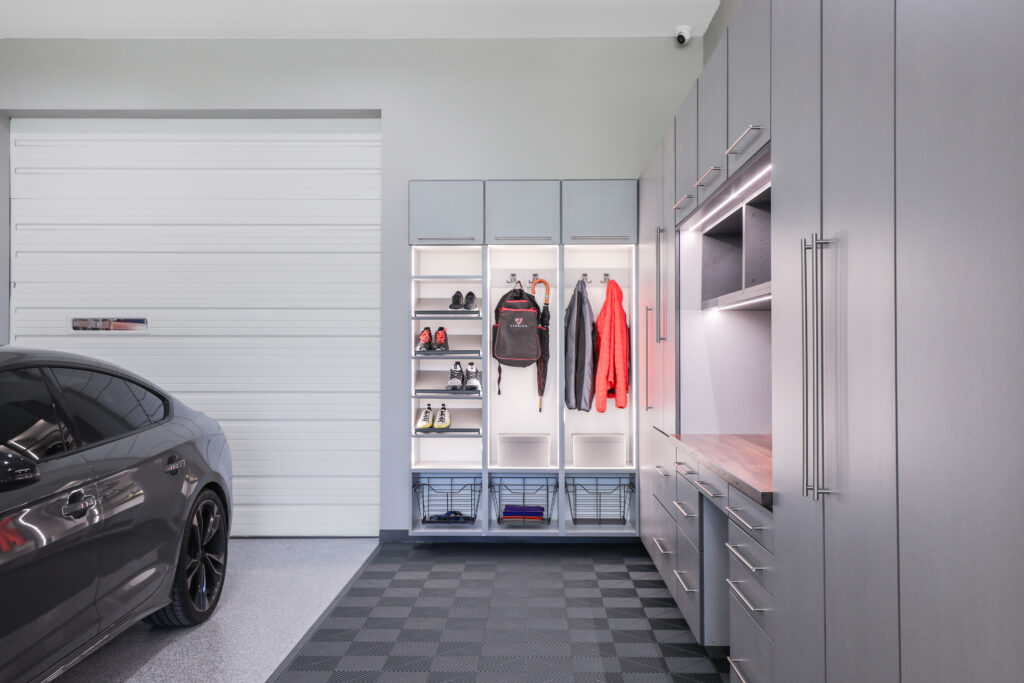
The best garage projects I have seen share one quiet ingredient. The lighting plan was drawn at the same time as the cabinet layout. When the light is right, drawers slide open to reveal tools without guesswork, finishes look true, and the whole room feels deliberate. When it is wrong, even the nicest Custom garage cabinets end up casting shadows that swallow your workbench and make every task feel like a chore.
I am writing from the point of view of a garage cabinet company that has lived through the small mistakes and the big wins. We have hung lights that buzzed over metal lathes, lined up LED channels so the mitered corners glow evenly, and learned the hard way that some low voltage drivers hate Florida summers. This is a builder’s guide, not just a lighting lecture, so the details tie back to cabinets, hardware, and installation sequencing.
Why good lighting belongs in your cabinet plan
Garages do double and triple duty. They store, stage, and work. You ask them to hold holiday bins, host a hobby bench, and sometimes operate as a mudroom or gym. That variety means your lighting has to cover general visibility, focused task work, and presentation. The right layout also protects your storage investment. Door faces and counters stay free of hot spots and glare, and you do not end up drilling holes through new cabinet gables to chase a missed wire.
For one client with Garage cabinets in Orlando, FL, the first plan had a single flush mount in the center of a two car bay. The morning sun helped until about 10 a.m., then the room turned dull. We added two rows of low profile linear LEDs aligned over the drive lanes, a third row directly over the workbench, and under cabinet strips along the uppers. The cabinet faces stopped throwing shadows on the countertop, and the homeowner started actually using the bench for soldering instead of taking projects to the kitchen.
The light you need, in numbers you can use
Garages benefit from simple targets. You do not need to memorize lighting textbooks. Aim ambient light at 30 to 50 foot candles at counter height for general use. Raise task zones to 70 to 100 foot candles where you cut, sand, or inspect finish. If you prefer lumens per square foot, a typical two car garage around 400 square feet wants roughly 6,000 to 10,000 lumens for bright general lighting, plus extra over work areas.
Color temperature guides mood and accuracy. Warm light around 3000 K feels cozy but can mute fine contrast on metal and wood. Mid neutral around 3500 to 4000 K works best for most garages, especially if you use the space year round. Up at 5000 K you get a crisp, daylight feel that helps with detail but can turn a garage harsh if your walls and floors are cool colored. We have landed most Orlando projects at 4000 K, with task zones sometimes at 5000 K for hobby work like tying flies or electronics repair.
Color rendering index, or CRI, matters more than people expect. A CRI of 90 or higher makes stains and paint colors read true, which saves you from walking a project outside to check tone. Lower CRI looks flat and can hide flaws in finishes. Several of our cabinet clients keep touch up kits in the garage. Under low CRI, they almost always misjudge the sheen.
How climate and location shape the plan
The Orlando area drives some practical choices. Heat and humidity can shorten the life of cheap drivers and corrode open contacts. Bugs find their way into every unsealed fixture. If you keep the door open in the evening, bright, cool lights attract insects that end up in diffusers and on benches. We lean toward sealed, IP65 rated vapor tight fixtures for exposed ceiling areas, and we use LED strip channels with snap diffusers for under cabinet runs to keep dust and pests out.
Garage ceilings often sit between 9 and 12 feet in newer builds around Central Florida. At 9 feet, low profile linear fixtures deliver even ambient light without glare. At 12 feet, a high output linear or small high bay fixture may be more efficient for coverage. Remember that tall garage doors and tracks can steal light if rows sit too close to the lifting hardware. We plot the door travel on the reflected ceiling plan and keep fixtures clear of the path, or we add a row on the door side that stays on when the door is up.
Layer your lighting like you layer storage
Ambient, task, accent, and inside cabinet lighting each earn their keep. Ambient light fills the room so you do not trip on a stray clamp. Task light puts brightness where your hands move. Accent light profiles the cabinets and creates an inviting space you want to keep tidy. Inside cabinet light solves a daily annoyance, especially for deep pantry style tall units and drawers full of bits or fasteners.
In practice, we like three rows of ambient linear fixtures in a two car garage, centered over each parking lane with one row near the bench wall. Then we add task light under the wall cabinets, typically a diffused LED strip at the front lip so the cone spreads over the full countertop. For accent, toe kick lights or top of cabinet uplighting can be subtle options. Inside cabinet lighting comes on with magnetic or plunger switches wired to low voltage drivers tucked in an accessible, ventilated bay. Keep the driver location reachable after the Garage cabinet installation, not buried behind fixed panels.
Avoiding shadows from cabinet faces and your own body
You can buy the best fixture on the market and still end up with a shadowy workspace if the geometry is wrong. The most common mistake is centering a ceiling light in the room without accounting for where tall cabinets will stand. A tall pantry on the right of a bench can block light from the main source, leaving the right half of your counter in the dark. Pull the ambient row one foot forward of the cabinet faces, and run a dedicated under cabinet strip so the light originates in front of your knuckles, not behind your head.
Depth matters. Standard upper cabinets run 12 to 14 inches deep. A strip tucked three quarters of an inch back from the face frame avoids glare in your eyes but still throws light to the front of the Garage cabinet installation counter. If you mount the strip at the back of the cabinet bottom, the front third of the counter will be dim and your body will block a chunk of it while you work.
Choosing the right fixtures by task and height
Linear LED wraps or slimline bars work well for ambient rows, especially where ceilings are under 10 feet. In higher garages, small form high bays with wide lenses can reduce the number of fixtures while keeping even coverage. For task lighting, we favor aluminum LED channels with opal diffusers. They keep the strip straight, improve heat dissipation, and protect against dust. Pucks create bright circles that look nice in a boutique cabinet run, but they leave scallops on a workbench and make finishing work harder.
If you park under tall storage, be mindful of fixtures hanging low enough to meet your roof rack. We have replaced more than one cracked shop light that lost a fight with a kayak. Low profile strips mounted to the joists with a metal channel have better odds in busy garages.
As for brands and specs, do not chase the highest lumen number on the box. Look for consistent binning for color, a CRI of 90 or better, and a driver with a decent ambient temperature rating. A lot of garage spaces in Florida climb past 95 degrees on summer afternoons. Drivers rated only to 90 degrees die early in sealed spaces. We ventilate driver compartments and avoid stacking multiple drivers in a dead air cavity.
Controls that match how you use the space
One switch by the back door will not cut it. Garages deserve zones so you can light only what you need. We break the room into ambient rows, bench task, and accent or toe kick. A dimmer on ambient helps when the door is open on a bright day. An occupancy sensor makes sense for entry zones, but it is frustrating when you are bent over a bench and the sensor loses you. Place sensors with a view of the main walking path or use a ceiling mounted unit with a broader field.
Smart controls have matured enough to be reliable in garages as long as you respect the basics. Use hubs or platforms that play well with GFCI protected circuits. Some budget smart switches do not like nuisance trips on GFCI. We also tie the opener light into an automation that brings up toe kicks and a low ambient level when the garage door opens after dark. It makes arrival safer without blasting the whole room.
Power planning during cabinet design
Lighting becomes far cheaper and cleaner when you run the right wires before the cabinets go up. Even when we install retrofit Custom garage cabinets, we try to open short chases for low voltage leads and put junction boxes where they will stay accessible. National Electrical Code requires GFCI protection for garage receptacles. Dedicated receptacles for the opener and a freezer are common and smart. Plan lighting circuits so you can work on a driver or transformer with the lights still on, rather than killing power to the whole room.
Low voltage LED systems need a home for drivers and, if used, controllers. We build a small service panel in a tall cabinet or a soffit above uppers with a ventilated back. Leave a removeable panel and label every lead. Future you will thank present you. When you use aluminum channels, predrill for concealed screws and install before paint to save messy drilling over new counters.
Glare control and finishes
Gloss cabinet finishes can look stunning but will mirror any bare diode. Diffusers on under cabinet strips avoid bright pinpoints reflected in high gloss doors. Matte counters take light better for tasks. If you love epoxy floors with flake and a semi gloss clear, expect brighter reflection and more need for balanced ambient rows to avoid stripes on the floor. When we install toe kick lighting, we angle the channel slightly toward the floor to graze rather than blast the kick panel. It creates a soft pool of light that guides without glare.
What to do with workbench magnifiers and specialty lights
Some projects demand more than strips and rows. Magnifier lamps with LEDs help for electronics or fly tying. Mount them on the bench where the arm can reach the center without teetering. Expect them to add 500 to 800 lumens within a small circle. A portable clamp light with a high CRI bulb belongs in the cabinet for finish inspection. For grinders and drill presses, add a small, focused gooseneck light with a metal shade that handles vibration. Wire these to a dedicated task circuit with a reachable switch, not the same circuit as your dust collector to avoid dimming on motor start.
Retrofit tricks without opening walls
A lot of garage owners inherit a single bulb on a pull chain. You can still get to a solid result. Surface mount a raceway for power to new linear fixtures, then run low voltage under cabinet strips fed by a single driver near Visit this link a convenient receptacle. Use adhesive backed aluminum channels where drilling would compromise a cabinet warranty, but add a few screws along the run to resist Florida heat peel. For inside cabinet lighting, battery motion lights help in the short term, though we treat them as a placeholder. Expect to replace cells every few months in an Orlando summer unless you spring for lithium rechargeables.
Budget ranges and what they buy
On a basic two car garage, a clean, bright ambient package with three rows of linear LEDs, a dimmer, and a good occupancy sensor often lands between 500 and 1,200 dollars in materials. Add under cabinet task lighting for the bench and you will likely spend another 300 to 800 dollars depending on channel quality and driver count. Inside cabinet lights with magnetic switches can add 200 to 600 dollars per cabinet run. If you choose high CRI strips and name brand drivers, numbers climb, but they pay long term in reliability and color fidelity.
We have seen clients try to save by mixing color temperatures from sale bins. It reads sloppy right away. Pick a single CCT across the room or a clear logic, like 4000 K for ambient and 5000 K only for a soldering bench. Keep CRI consistent too. The minute you open a cabinet with a lower CRI light, the contents look dull compared to the bench.
Safety and code notes a builder watches
Garages are considered damp, dirty, and sometimes explosive spaces when you store solvents. Keep fixtures and strips rated for the environment. Use sealed wire nuts in exposed junction boxes. NEC requires GFCI protection for general use outlets in garages and AFCI protection in many jurisdictions. Check local adoption dates. Avoid running low voltage leads across sharp cabinet edges. Add grommets where needed. If you use metal channels under cabinets, bond them if local code or inspector requests, though most low voltage strips in anodized channels do not require a bond if isolated.
One more lesson learned. Some older garage door openers generate electrical noise that can interfere with cheap LED drivers and radio controlled switches. If your remote range shrinks after a lighting upgrade, add ferrite chokes on the low voltage leads and swap to better filtered drivers. We solved a stubborn case in Winter Park with exactly that fix and moved the smart switch to a different circuit to isolate the noise.
Integrating lighting with Garage cabinet installation
Cabinet builders care about reveals and clean lines. Lighting can ruin both if you treat it as an afterthought. We route shallow channels in the underside of plywood bottoms for LED extrusions so they sit flush. We set the front trim of an upper cabinet to conceal the diffuser while keeping it close to the front edge. Where countertops meet walls, we leave enough space to run a slim back splash or cable route so under cabinet leads have a place to disappear. On tall runs, we align vertical cabinet seams with concealed wire chases so inside cabinet lights can hop between boxes without visible cords.
A toe kick channel takes planning. We notch the cabinet base or frame a removable toe board with a shallow recess for the channel, then we run leads to a service bay on one end. Done early, it looks integrated. Added late, it often looks tacked on and collects dust in the corners where the channel ends without caps.
A quick planning checklist from the shop floor
- Map door travel and opener hardware, then place ambient rows where the door will not block the light.
- Choose a single color temperature and high CRI across all fixtures, then set task zones slightly brighter than ambient.
- Rough in power and low voltage paths before cabinets go up, with ventilated, accessible driver bays.
- Mount under cabinet strips near the front edge with diffusers, and test glare on glossy doors before final fix.
- Divide controls into zones with at least one dimmer and one occupancy sensor that sees the main path.
Fixture picks for common garage scenarios
- Low ceiling, two car garage with a workbench: three rows of 4 foot slimline LED bars at 4000 K, CRI 90, plus a diffused under cabinet strip on the bench wall.
- Tall ceiling, single bay shop: two small high bay fixtures with wide lenses, 5000 K for task clarity, and a gooseneck at each stationary tool.
- Humid Orlando garage with door open at night: sealed vapor tight linear fixtures for ambient, 4000 K, and sealed under cabinet channels to keep bugs out.
- Design forward cabinet wall: toe kick grazing lights, 2700 to 3000 K for warmth, paired with 3500 to 4000 K task strips so the bench stays accurate.
- Deep tall pantry cabinets: vertical inside cabinet strips triggered by magnetic switches mounted high, drivers in a ventilated soffit above the run.
Finishes, colors, and how light changes what you see
Cabinet finish color affects perceived brightness. White or light gray doors lift the whole room. Wood tones warm the space and can tolerate slightly cooler task lighting without looking blue. Dark matte doors absorb light and demand more lumens to keep the bench usable. Floors matter too. A light flake epoxy bounces light back up and makes toe kick lighting more effective. A charcoal floor swallows light and can force you to push ambient rows harder. We keep wall color near white with a soft gray tint so fixtures can do their job without cold glare.
Care and maintenance that keep things bright
Garage lighting gets dusty faster than interior fixtures. Diffusers collect a film in a month or two. We recommend a soft, lint free wipe with mild soap every quarter, more often if you sand inside. Check set screws on channels annually in hot climates. Expansion and contraction can loosen long runs. Replace failing drivers with equal or better temperature rated models and keep a record of color temperature and CRI in your house file. When you change one part, match the rest or replace in zones so the room stays uniform.
If you use battery motion lights inside cabinets as a stopgap, rotate rechargeable cells and mark a reminder in your calendar at the season change. Nothing is more frustrating than opening a dark cabinet during a project.
How a garage cabinet company ties it all together
Garage cabinet builders have a unique vantage point. We see where hands reach, where dust settles, and how often tools live on the front two inches of a shelf. That experience shapes a better lighting plan. We know when to leave an extra inch on the underside of a cabinet to clear a diffuser, how to hide a wire in a stile, and when to advise the client against glossy doors near a bright task strip. In Orlando, we also know which fixtures last through a hot August and which drivers complain in a sealed bay.
Whether you are hiring a full service team or piecing together a DIY project, treat lighting as part of the cabinet package, not an accessory. Plan wiring during layout, pick consistent color and high CRI, and place light where your hands and eyes work. The result is a garage that feels like a finished room, not a storage afterthought. It is the difference between hunting for a Torx bit in a shadowy drawer and watching it sparkle under a clean, even beam right where you expect it.
Great garages do not just store your gear. They invite you to use it. Thoughtful lighting is the invitation.